ENVIRONMENT PROGRAMS
VOLUNTEERS
Introduction
This volunteer proposal is aimed for one volunteer at the time staying at least 4 but more preferably 6 weeks in Lembeh resort, splitting his/her time half to the house reef project and half to fun diving. House reef project had been initiated in February 2007 and carried on by two marine biologists/ dive centre managers throughout April 2008. Since the change of management, we are looking for volunteers (one at the time) to carry on the project.

The time management and planning of your work will be up to you, but you will need to communicate every action to the dive centre manager and the owner on regular bases. You will also need to document every step of the maintenance and innovations of the house reef project and submit a report summarising your achievements in the end of the stay.

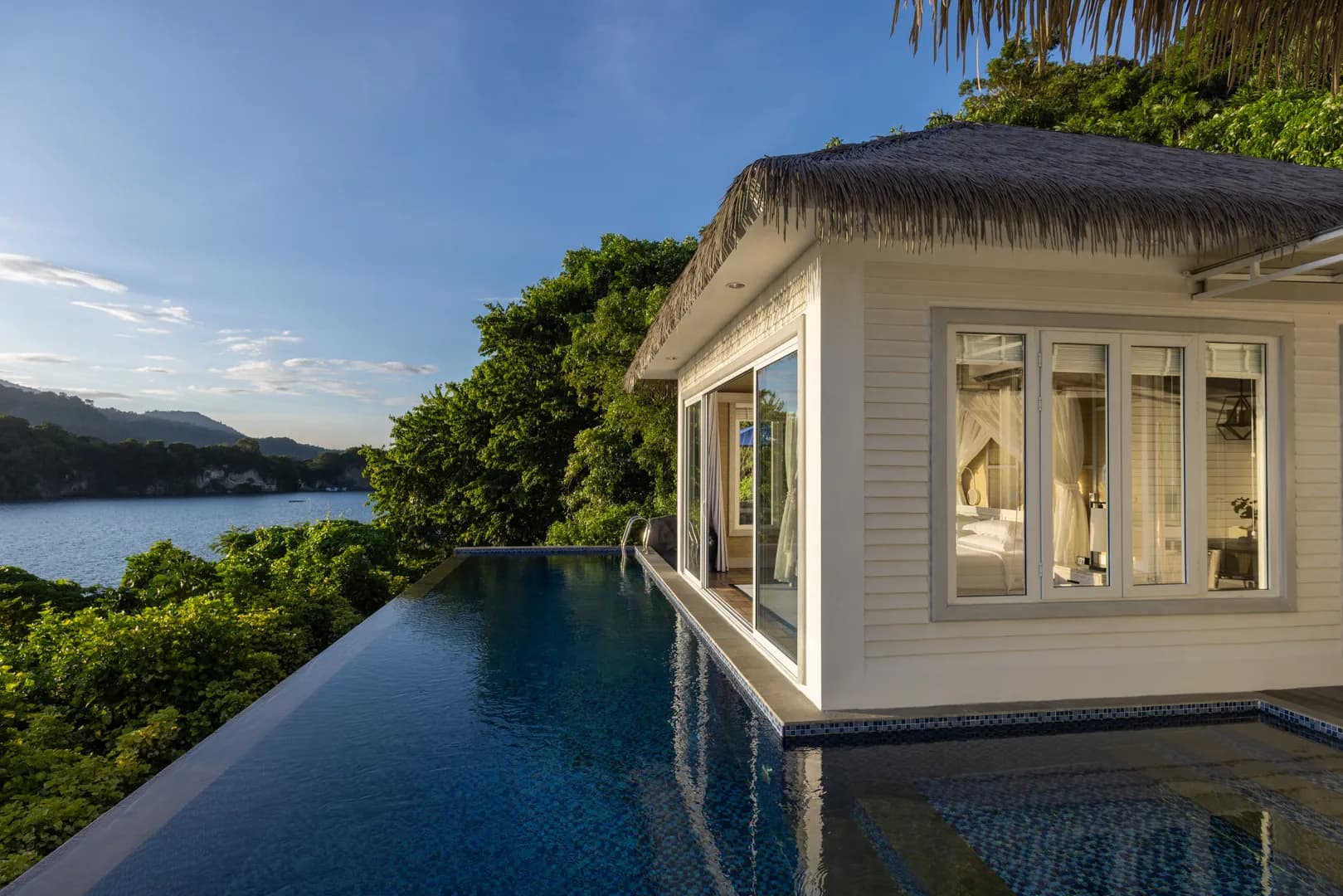
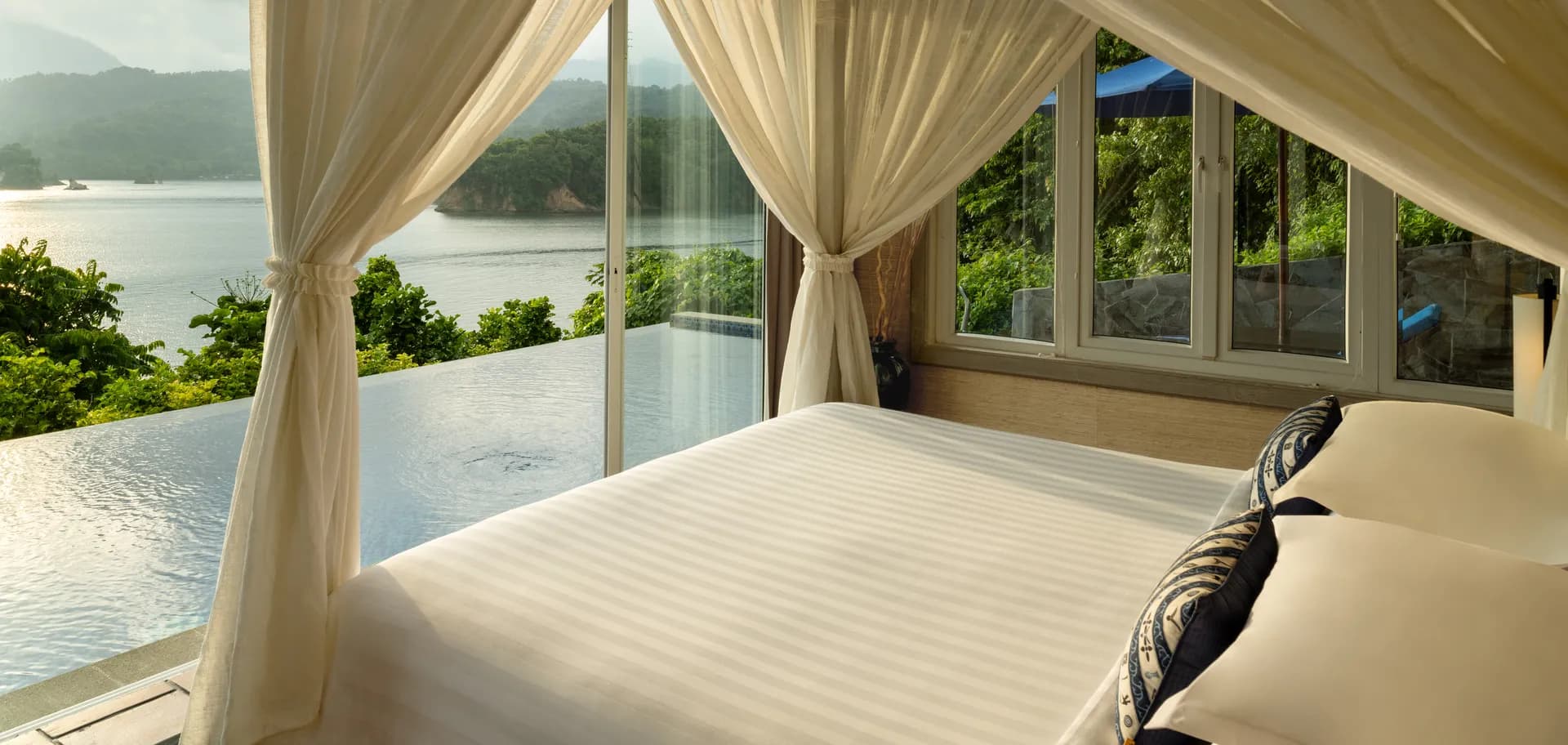
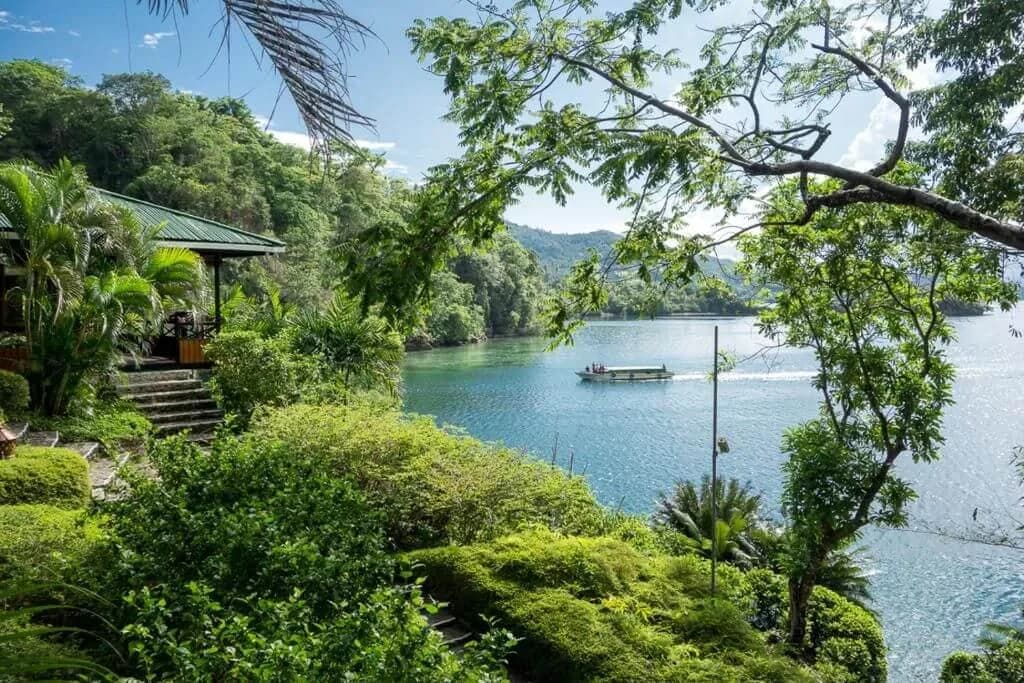
Lembeh Resort is located on the Lembeh Island side of the Lembeh Strait, famed for its critter diving. The resort is situated in between two cliffs in a wide bay. There is a village on either side of the cliff adjacent to the resort. The house reef in front has a lot to offer, but had also been in some parts destroyed in the past either by anchoring or by storm or both. These destroyed areas are the current sites of our house reef project. The main purpose of this project is restoration of the house reef by physically adding structural complexity and aesthetic value to the reef and by replicating this project onto the reefs in front of the adjacent villages.


The Project
This House reef project is going to expand in the future to the reefs in front of the three villages in the closest vicinity to the resort. This will be linked by building ‘study centre’ in each of these villages. These study centres and linked house reef projects will be build from funds donated for this purpose. The study centres will serve as quiet retreats for the local children, where they will be able to study and do their homework under supervision and with the help of a local teacher. The house reef projects will serve as by community protected areas freed of fishing.

The first part of this, quite an extensive project has started on the Lembeh resort house reef. We have started this project in February 2007, by testing a few different methods. We have placing a different sized cement blocks and transplanted small coral fragments onto them. The first method of attaching the coral fragments was epoxy glue, which did not work very well. The epoxy is great marine glue, but not for attaching the sensitive and already stressed coral fragments. Firstly, the mortality of these fragments was high by bleaching. Secondly, the fragments simply attached by the glue were easily broken off by the actions of less experienced divers with no chance of replacement.

Second step was using galvanised steel sticks, which we build into the blocks when making them. Coral fragments were then attached by cable ties. This method was much easier for the working divers, corals were doing well, but the cost of the materials; the steel and the cement; and strenuous work while placing the 50kg blocks were the disadvantages of this method.

To elaborate on the already placed blocks, we stacked them up into fish houses and by that we achieved two aims: There were elevated structures added to the rubble areas, which provided a fish retreat and protection, we also kept the transplanted colonies in place, which lifted the small coral fragments higher up in the water column.

The major project so far is the set of three Biorocks. The biorock method was invented roughly 25 years ago and it is widely used in Bali, Gillis Island, Thailand and Maldives (www.biorock.com). It has been used in areas were the reefs were destroyed and reduced to rubble. It is a patented method but no scientific papers have been published to support or devaluate it. The method is quite simple and it is based on low electricity DC current leading to a metal structure placed underwater. The salt water, iron and electricity chemical reactions lead to extraction of C, Ca and O from the water and deposition of this newly acquired CaCo3 onto the metal structure. This means, as long as the electricity is provided, the structure growths. It does not rust; it gets coated by extra layers of limestone. The limestone layer further attracts coral spats to settle and growth. The coral colonies we transplanted onto our biorocks are in a vast majority still alive and slowly growing around the structure enclosing it, which makes this method the most successful for our purpose.

Starting form 18 meters, the house reef substrate changes from coral cover to sand. This is where we placed our small ship wreck. We sank small wooden boat there in December 2007 to attract the reef associated predatory species (cods, snappers, sweetlips etc.). This seems to be working very well. The house reef has been protected from all fishing since the resort opened in 2003 and it serves as a refuge in otherwise heavily fished Strait.

To make it easier to navigate the house reef, there are two underwater tracks formed by sets of buoys. One leads toward the house reef project area: the biorocks, fish houses and the wreck, while the other one lead through the shallower, coral part of the house reef.


Maintenance
The volunteer program includes both in water and out of the water work. The main part of the work is the maintenance of the house reef project already in place.

Replacing the coral fragments when needed on the fish houses and the Biorocks. Cleaning the biorock of unwanted settlement of ascidians. Making sure that the electricity is supplied to the biorock.

Maintenance need to be extended towards the underwater paths. There is a fast growth on the buoys, which causes them sink under the weight. The buoys need to be cleared from this growth at least once in the 6 week volunteer programme.
Survey/ Mapping
Another part of your work will be mapping and surveying reefs of the adjacent villages and two divesites. We are planning to expand on the project on these reef in the future. The locations you will need to survey and map are: Pintu Kota Kecil, Seagrass, Serena North and Pintu Colada. The conditions on these locations are very similar to those on the house reef. We would like to have a species over view, both coral and fish in these particular locations.
Research
We would like to alternate our source of electricity to solar panels. You should be able to research the available options and the amount of solar power needed in ratio towards the biorock surface.

Another field of research would be artificial reefs, sinking a shipwreck.
New inputs/ ideas
We are always looking for new ideas and inputs. If you can come up with something innovative to use as a new method to improve our house reef project, you will be encouraged to give it a try.
Presentations/ Guest relations
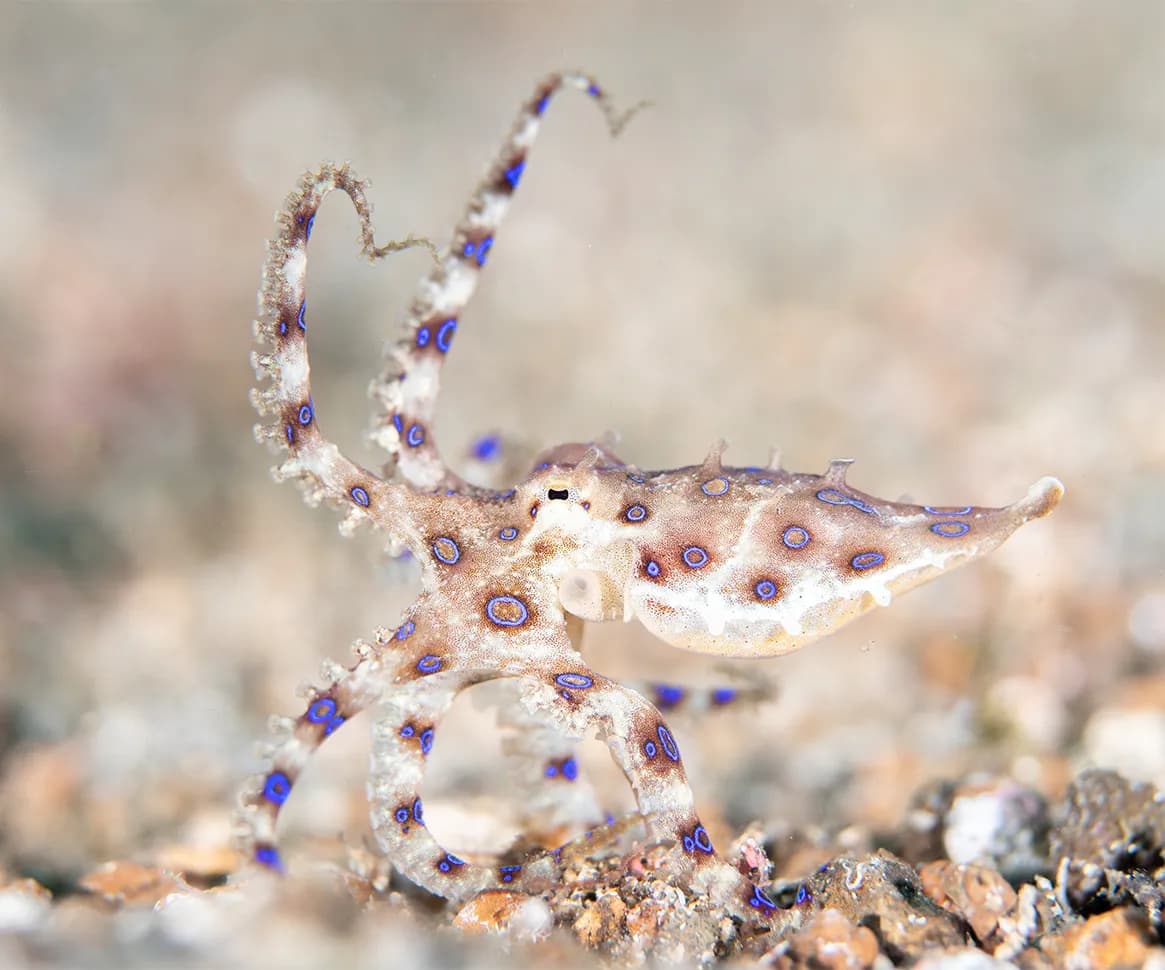
You will need to give presentation/ presentations about the house reef project to our guests. A simple talk at the bar area with the use of laptop is usually sufficient. You will be also encouraged to have meals with the guests. Since you will be diving the house reef quite often, it is good to share what critters you have seen on your dives as well as taking the guests for a dive on the house reef.
PLEASE NOTE - - LEGAL NOTICE: All photographs contained on this web site and photo galleries within site are protected by international copyright laws. None of the images you see here are in the public domain and remain exclusively the copyright of Photographer noted and or Lembeh Resort. No image is to be copied, duplicated, modified or redistributed in whole or part without prior writer permission.
THANK YOU and enjoy our web site designed by ScubaVision